
Vitamin D & Inflammation Test
- Free shipping, both ways
- FSA / HSA accepted, or pay over time
- Ships to every state except New York
About this test
Our at-home lab test can help you understand if you’re maintaining an adequate vitamin D level and check for acute inflammation that may be causing discomfort.
- Measures 25-OH D and hsCRP
- Finger prick sample

Who should take this test?
Vitamin D helps the body use calcium and is essential for strong bones, but if your body is deficient, you may experience higher levels of inflammation and a variety of other symptoms like:
- Weakness
- Joint pain
- Muscle pain
- Fatigue or feeling tired
What does this test measure?
Your results will show your levels of high-sensitivity CRP (hsCRP) and vitamin D and can help you identify lifestyle modifications that support healthy levels of these two biomarkers.
- Vitamin D (25-OH)
- Vitamin D has many important roles in the body, including bone formation and maintenance as well as immune function, among others. It forms in the body when the sun is absorbed by your skin and is found in natural and fortified food sources. Low intake levels of vitamin D over time may lead to a vitamin D deficiency.
- hs-CRP
- hs-CRP, or high-sensitivity C-reactive protein, is a non-specific, acute-phase protein that the liver makes in response to inflammation in the body. It may be elevated due to certain chronic illnesses, medications, or recent illnesses. hs-CRP level can be used in the clinical setting as part of a broader, comprehensive assessment evaluating heart health.
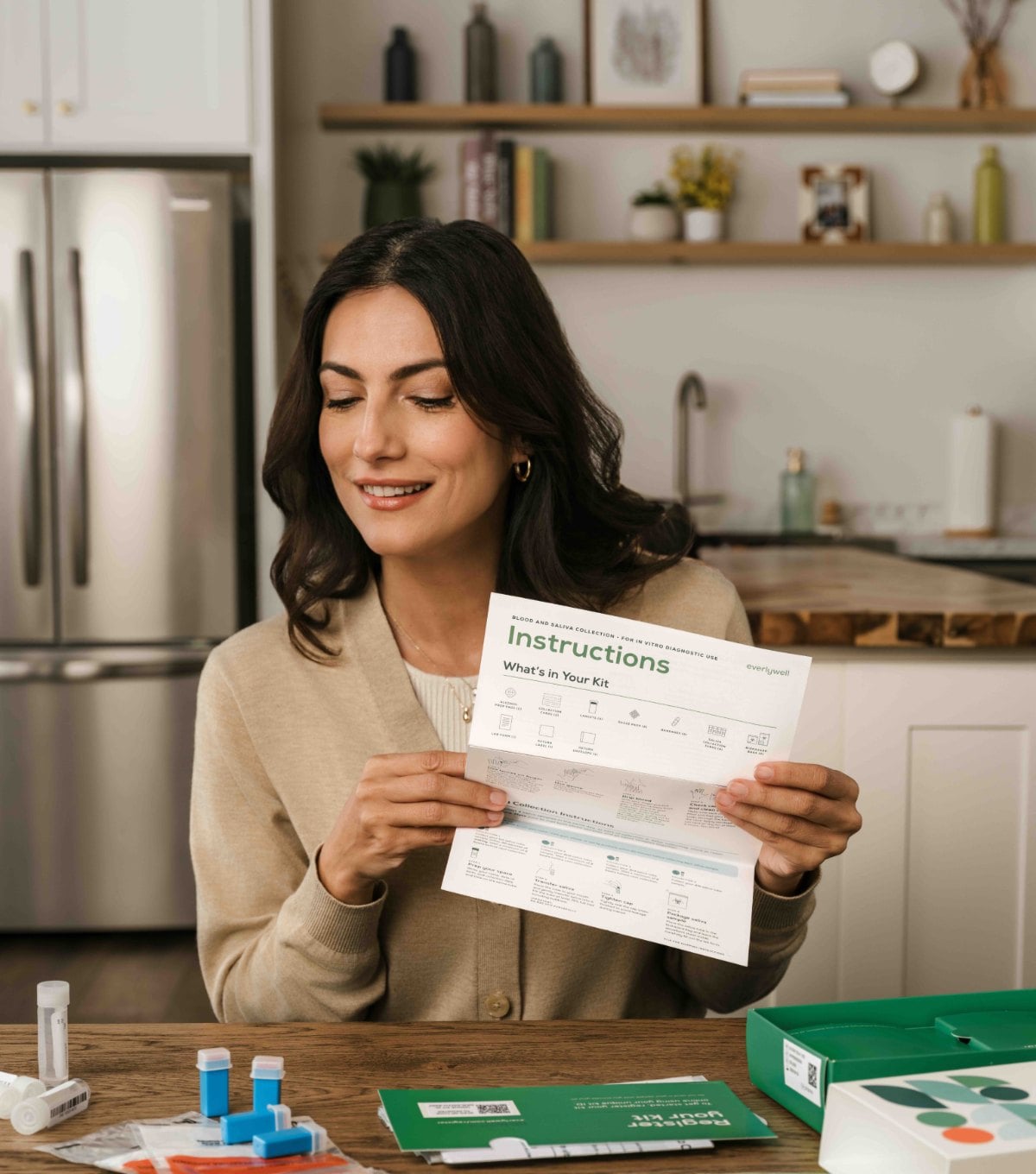
What’s in the box
Everything you need to collect your sample and send it back, with free shipping both ways.
Collection card
Circles to fill with a few drops of blood. Let it dry before you pack it.
Two lancets
Single-use and spring-loaded: a quick, shallow prick. The second is a spare.
Alcohol pad, gauze and bandage
Clean the fingertip first, cover it after.
Prepaid return mailer
Addressed to the lab. Drop it in any USPS mailbox, ideally the same day.
Instructions and kit ID
Register the ID online before you collect, so your results reach your account.
Four steps, from your door to your results
- Day 1
Order online
Order online and your kit ships free. There’s nothing to prepare ahead of time and no fasting needed. Read the instructions when your kit arrives.
- Days 2 to 7
Register, collect, and ship
Register your kit ID online, then collect a few drops of blood from a quick finger prick onto the card. Let it dry, then mail it back with the prepaid label.
- Days 10 to 14
Get your results
Physician-reviewed results post to your secure account, showing whether your vitamin D and hs-CRP levels are low, normal, or high against their reference ranges.
- After your results
Talk it through with your provider
A single hs-CRP result doesn’t tell the whole story, so share your results with your healthcare provider. Many people recheck every 3 to 6 months.
Everlywell can suggest diet and lifestyle steps for your vitamin D level. Your healthcare provider can give more specific guidance.
Clinical-grade testing, from the comfort of home.
From the lab to your report, every step of our process meets the gold standard in medical testing.
CLIA-certified labs
Every lab we partner with is certified under the Clinical Laboratory Improvement Amendments, meeting both state and federal standards with regular independent inspections.
We protect your health data
We protect your health data with encryption and do not sell it. Some results must be reported to public health authorities by law. See our Privacy Notice.
Rigorous quality assurance
All partner labs run regular internal quality checks, participate in proficiency testing, and comply with federal and state lab regulations.
Clinician-reviewed reports
Results are reviewed by an independent, licensed clinician.
Questions
Common questions.
Anything else, our care team answers by phone or email.
Inflammation is the body’s immune response to an irritant. The irritant could be trauma from an injury, chemicals, or an infection. The body responds with pain, swelling, and redness, which are all part of the initial inflammatory response.
Short-term inflammation is referred to as acute inflammation and is usually self-limiting. Acute inflammation is often a sign your body is working to fight an infection or heal itself. In contrast, when inflammation persists, or is in response to the body’s own cells, it is referred to as chronic inflammation. In chronic inflammation, your body’s immune system continues to send out its main defenders, white blood cells, and other messengers to fight. Sometimes these defenders can end up attacking nearby healthy tissues or cells. This immune system response can persist for prolonged periods of time or even indefinitely. Our inflammatory marker test measures your body’s level of a protein whose levels are elevated when inflammation is present (acute or chronic).
Chronic inflammation has been implicated in a wide variety of disorders, including:
- Heart disease
- Diabetes
- Dementia
- Alzheimer’s disease
- Lupus
- Crohn’s disease
- Cancer
C-reactive protein, or CRP, is a protein that increases in the blood with inflammation. The high-sensitivity CRP blood test (hs-CRP) can detect even small elevations of CRP protein as an indicator of low levels of inflammation in the body.
You might consider this inflammation test if you’re experiencing any of the symptoms listed below.
Symptoms of chronic inflammation are often vague and may go undetected, but can include:
- Ongoing, Irritating Pain in Joints or Muscles
- Constant Fatigue or Lethargy
- Frequent Infection
- Gastrointestinal complications like constipation, diarrhea, and reflux
- Insomnia
Vitamin D is widely known to be essential for strong bones as it helps the body use calcium, but if you are deficient, there are a wide variety of other symptoms one can experience:
- Excessive Sweating
- Noticeable and Unexpected Weakness
- Broken Bones
- Chronic Pain
- Depression
- Fatigue
Related test for fatigue symptoms: thyroid Test
Your results from our high-sensitivity CRP test will contain your levels of CRP and vitamin D and whether they are low, normal, or high compared to the appropriate reference ranges.
It is important to understand that a single C-reactive protein (CRP) level does not tell the complete story. High-sensitivity CRP levels can be temporarily elevated by your body’s response to a recent illness, bacterial infection, or trauma. A high CRP level should be confirmed with follow-up testing. To identify signs of chronic inflammation, a healthcare provider may test for additional markers of inflammation.
Everlywell can suggest dietary and lifestyle changes that can help you regulate vitamin D levels in your body.
If your vitamin D levels are low, you may wish to modify your diet and sunlight exposure to maximize vitamin D levels in your body.
If you exhibit elevated CRP levels, you may consider waiting a month or so and retesting, as the high CRP levels might be the result of recent illness, infection, or trauma.
Once you get your results back from our inflammation level test (CRP testing), you can then show them to your healthcare provider and discuss potential next steps. Sharing your Everlywell results with your doctor is the best way to create informed decisions about your health and wellness planning.
Low vitamin D levels can result in vitamin D deficiency. Vitamin D deficiency can lead to symptoms like fatigue, depression, and joint pain, and more. In addition, a low vitamin D level may also be linked to serious health conditions like heart disease and bone weakness (in the form of osteomalacia).
The main cause of vitamin D insufficiency is a lack of sun exposure. That’s because your body makes vitamin D when your skin comes into contact with sunlight. Dietary vitamin D sources are few and far between, so sunlight is actually the body’s main source of vitamin D. Fortunately, an at-home vitamin deficiency test that checks vitamin D levels can help you find out if you’re getting enough of this key nutrient.
Risk factors for vitamin D deficiency include the following:
- History of gastric bypass surgery
- Dairy allergies
- Lactose intolerance
- Vegan or ovo-vegetarian diets
- Fat malabsorption conditions, such as celiac disease, ulcerative colitis, and Crohn’s disease
Healthcare providers often prescribe a high-dose vitamin D supplement to help reverse vitamin D deficiencies as quickly as possible. However, because too much vitamin D supplementation can result in toxicity, be sure you talk to your healthcare provider before taking high doses of vitamin D, or any other alterations to your diet or supplement routines.
Learn more about vitamin D deficiency: vitamin D Deficiency Symptoms
Too much vitamin D supplementation can result in vitamin D toxicity, meaning your body doesn’t have optimal vitamin D levels because it’s actually getting too much vitamin D. Toxicity is the opposite of a vitamin D deficiency and is linked with excess calcium absorption (which can lead to a condition known as hypercalcemia).
Fortunately, frequent sun exposure will not lead to vitamin D toxicity because sunlight breaks down any extra vitamin D in your skin.
Common symptoms of vitamin D toxicity include:
- Kidney stones
- Anorexia
- Diarrhea, constipation, nausea, and vomiting
- Bone pain
- Frequent urination
- Drowsiness
- Constant headaches
- Irregular heartbeat
It’s always a good idea to talk to your healthcare provider about your supplement routines, especially if you plan on changing them.
The Everlywell Vitamin D and Inflammation Test is an easy way to check your vitamin D and hs-CRP levels. Here’s how it works:
- Once you order the Vitamin D Test kit (do that by clicking the “Add to Cart” button and completing checkout), we’ll ship it directly to you.
- Register your test online at www.everlywell.com/register using the unique kit ID that’s included in your kit.
- To take this blood test, use the card inside the kit to collect your blood sample. The kit includes a lancet for pricking your finger and simple instructions to guide you through the process.
- Once you’ve completed collection, ship your sample to a lab using the prepaid shipping label in the kit.